
Leadership
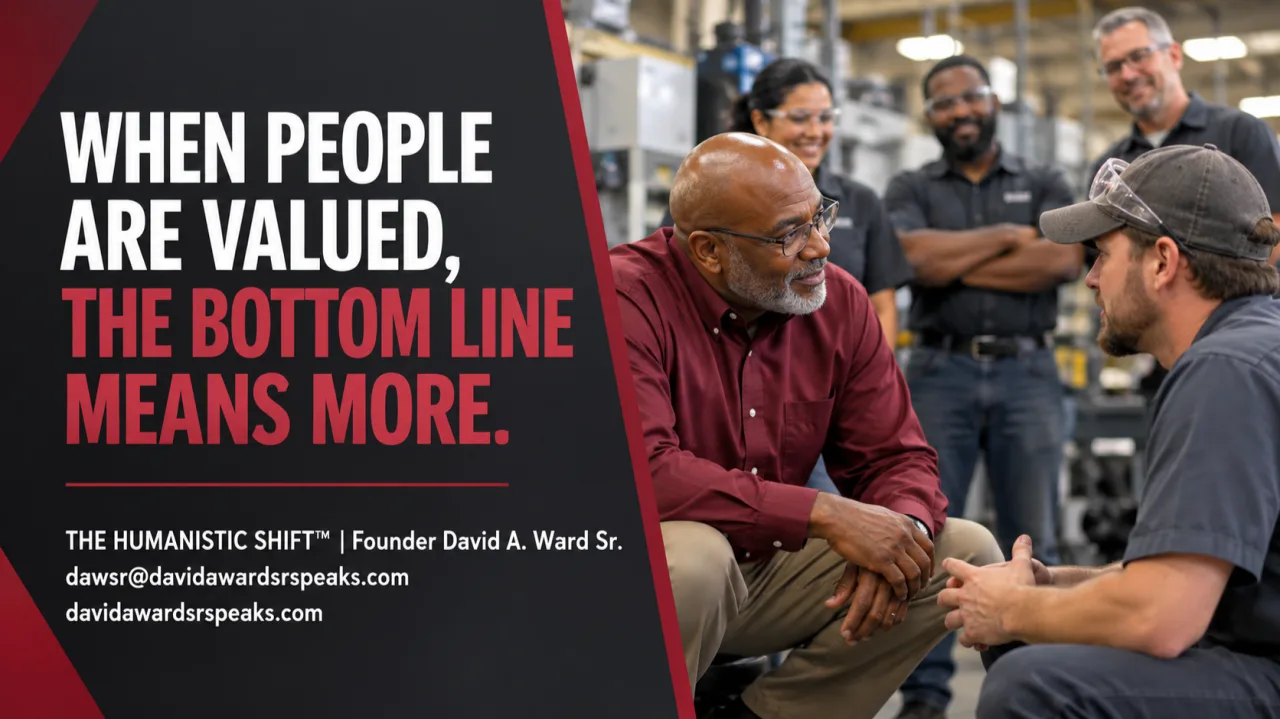
When People Are Valued, the Bottom Line Has a Different Meaning
Companies often call employees "family". Employees learn what those words mean by what happens next. How they're treated from day one. New employee orientation is critical to how you treat employees and, most of all, how you value who they are and what they bring to the organization. As an executive, do you take time to get to know your employees and what they offer beyond work?
When someone raises a safety concern, do we listen and respond? When a worker has an idea, do they take it seriously? When production is under pressure, do the company’s commitments to people still hold?
Listening, respecting, engaging, and protecting employees are daily decisions leaders make. Each decision tells your employees how much they matter to you and the organization.
Listening means seeking out the employees closest to the work and following up on any issues or concerns they have raised. Respect means treating your employees with honesty and admiration for their achievements, work ethic, contributions, and loyalty. Engagement means inviting employees to help solve problems, then showing them what happened to their ideas. Engaging your employees gives them a sense of ownership. Protection means giving employees the time, resources, and authority they need to do their work safely, and the ability to stop work when it exposes them to any work hazard.
These actions strengthen trust and respect and add value for the employee. They can also help an organization learn about problems earlier, retain experience, and make better decisions for everyone involved. But their value reaches beyond any financial measure. You can't put a monetary figure on investing in your employees' lives and the future of their families. That investment speaks volumes not only to your organization but to those seeking to do business with you.
That is where the bottom line finds a new meaning. Think about it....by investing in and protecting your employees and the futures of their family members, the return is unmeasurable in production and quality.
For executives, this begins with alignment. If leaders define accountability differently, send mixed messages, or make exceptions when targets are tight, employees will see the gap. Before asking employees to trust the organization, leaders must agree on what they will consistently do to earn that trust.
Through The Humanistic Shift™, I work with executive teams to examine that gap between leadership intent and employee experience. Together, we can listen across the organization, clarify expectations, strengthen accountability, and turn what we learn into visible action.
Alignment. Awareness. Action.
Alignment speaks to The Humanistic Shift™ and the executive table.
Awareness connects to The Humanistic Side of Safety and the people and families affected by decisions.
Action makes clear that both must lead to changed behavior.
Here is the question I would bring to your executive table:
If I asked your employees how your company shows that it values them, what examples would they give me?
If you're uncertain, let’s begin the conversation. Visit davidawardsrspeaks.com or contact me at dawsr@davidawardsrspeaks.com.
David A. Ward Sr. | Founder, The Humanistic Shift™
Start With a 30-Minute Conversation
If this is the gap in your organization, let's talk for 30 minutes.