
Leadership / Safety
Workers Make a Stand After a Worker's Death
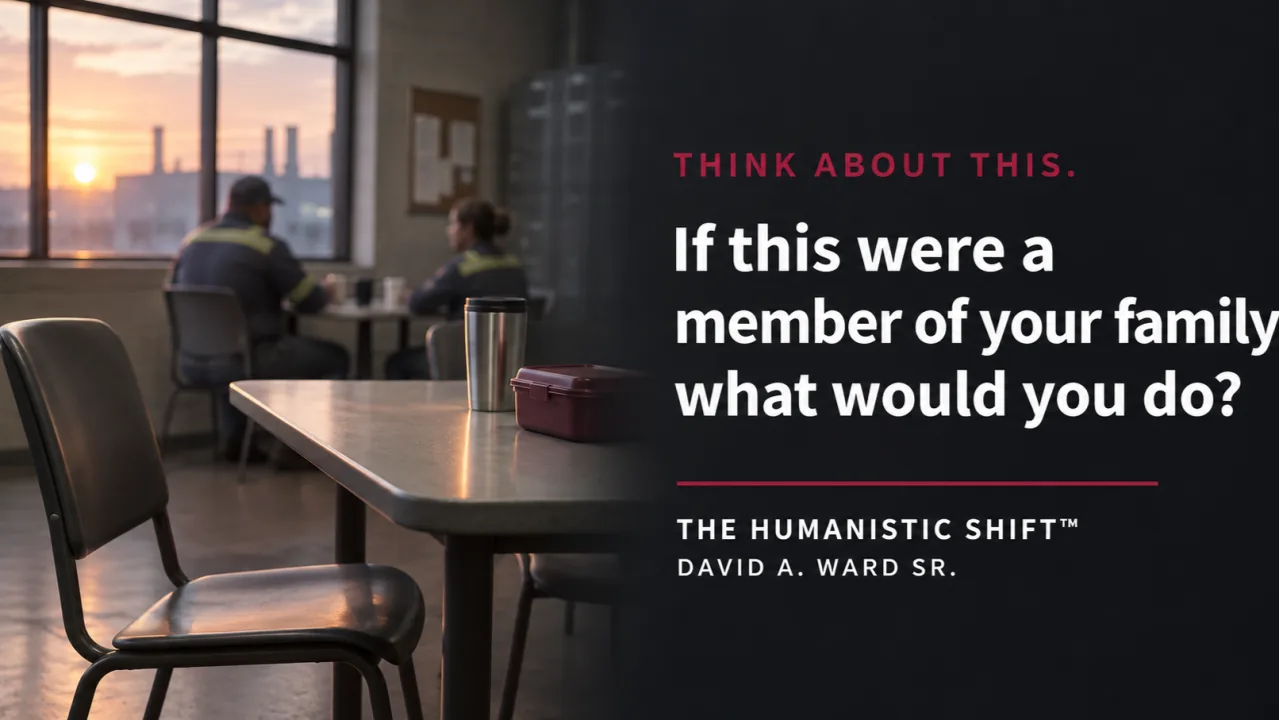
Think about this.
You walk into the lunchroom expecting to start your shift. A few coworkers are crying. Then someone tells you why. A person you worked alongside has died at the plant.
There’s a chair where you’re used to seeing them sit. Tomorrow, someone will walk into that same room and, for a moment, expect to see them there.
Then comes a question you never imagined having to ask that morning.
Are we supposed to go back to work?
In September, a worker died in a workplace incident at Smithfield Foods in Monmouth, Illinois. A worker told KWQC that management directed production to continue and that dozens of employees left. Smithfield told KWQC that employees had been informed they could take the day off without penalty. The worker recalled someone in the lunchroom calling out, “Listen to your people!”
My thoughts are with the family, friends, and coworkers of the person who died. A family now has to get through birthdays, holidays, and ordinary evenings without someone they love. Coworkers have their own reminders. An empty chair. A familiar spot on the floor. A moment when they turn to say something and remember who’s missing.
Think about what it takes to speak up
Imagine being the person who says, out loud and in front of management, that you and your coworkers need time. Your voice might shake. You might wonder who will back you up. You still have to decide whether to say it.
Then imagine the person beside you who stays quiet. They may be just as shaken and worried about losing a day’s pay. Someone else may stay because they want to be close to the people who understand what happened. People can grieve differently and deserve the same care.
To those who spoke up, your words deserve to be heard. You raised a question others in that room may have been struggling to ask.
Now put yourself in the supervisor’s shoes
An employee asks you, “Can I go home?” Then comes the question behind it. “Will this count against me?”
Can you look that employee in the eye and give them a clear answer? Do you know what happens to their pay? If your crew tells you they need time, can you pause the work? Who will back you when the shipment is due?
A supervisor may be the first person employees turn to. The authority and resources to respond have to come from the people who set the expectations. Executives, settle those questions before a supervisor has to answer them in a room full of grieving people.
If this were a member of your family, what would you do?
In my years as a federal safety investigator and safety professional, I’ve seen how long the aftermath of a workplace tragedy stays with people. What leaders do in the first hours matters. So does who is still checking in weeks later, when the rest of the organization has settled back into its routine.
At your next executive meeting, ask each person around the table to answer these questions in their own words.
- Who can pause production, and what would we need to know before resuming?
- What exact words would a supervisor use to explain whether employees can leave, how pay and attendance will be handled, and what support is available?
- Who will reach out to the family and check in with coworkers in the days and weeks that follow?
- When pausing costs us a critical shipment, will we stand behind the supervisor who made the call?
Then invite your supervisors into the conversation. Ask them what they would feel comfortable saying to their crews and which promises they would need you to put in writing before they could make them.
That’s where The Humanistic Shift™ begins. Agree on what your people can count on, give supervisors the authority to follow through, and keep those commitments when they cost something.
Your intentions don’t protect people. Your decisions do.
If your executive team wants help having this conversation with your supervisors, connect with me at davidawardsrspeaks.com.
Start With a 30-Minute Conversation
If this is the gap in your organization, let's talk for 30 minutes.
Veteran-Owned and Operated